
Hi! I’m a learning scientist and applied data scientist at New York University’s CREATE Lab studying how emerging technologies shape learning and behavior. I use mixed-methods approaches (e.g., machine learning, interviews, video analysis) to model noisy learning behaviors in digital environments, and translate those insights to design more effective, student-centered learning tools and experiences.
I am especially interested in modeling signals of when students get stuck — such as confusion, boredom, distraction — during learning tasks, and developing technologies that support students in making progress toward their valued goals.
My research and collaborations have been published in ISLS, LAK, ICQE, and other venues. For more context, please visit my GitHub or download my CV.
Interests: AI in Education, Precision Scaffolding, Personalization, Human-Computer Interaction, User Modeling, Human-AI Partnership, Goal Dynamics, Learning Design
Selected Projects
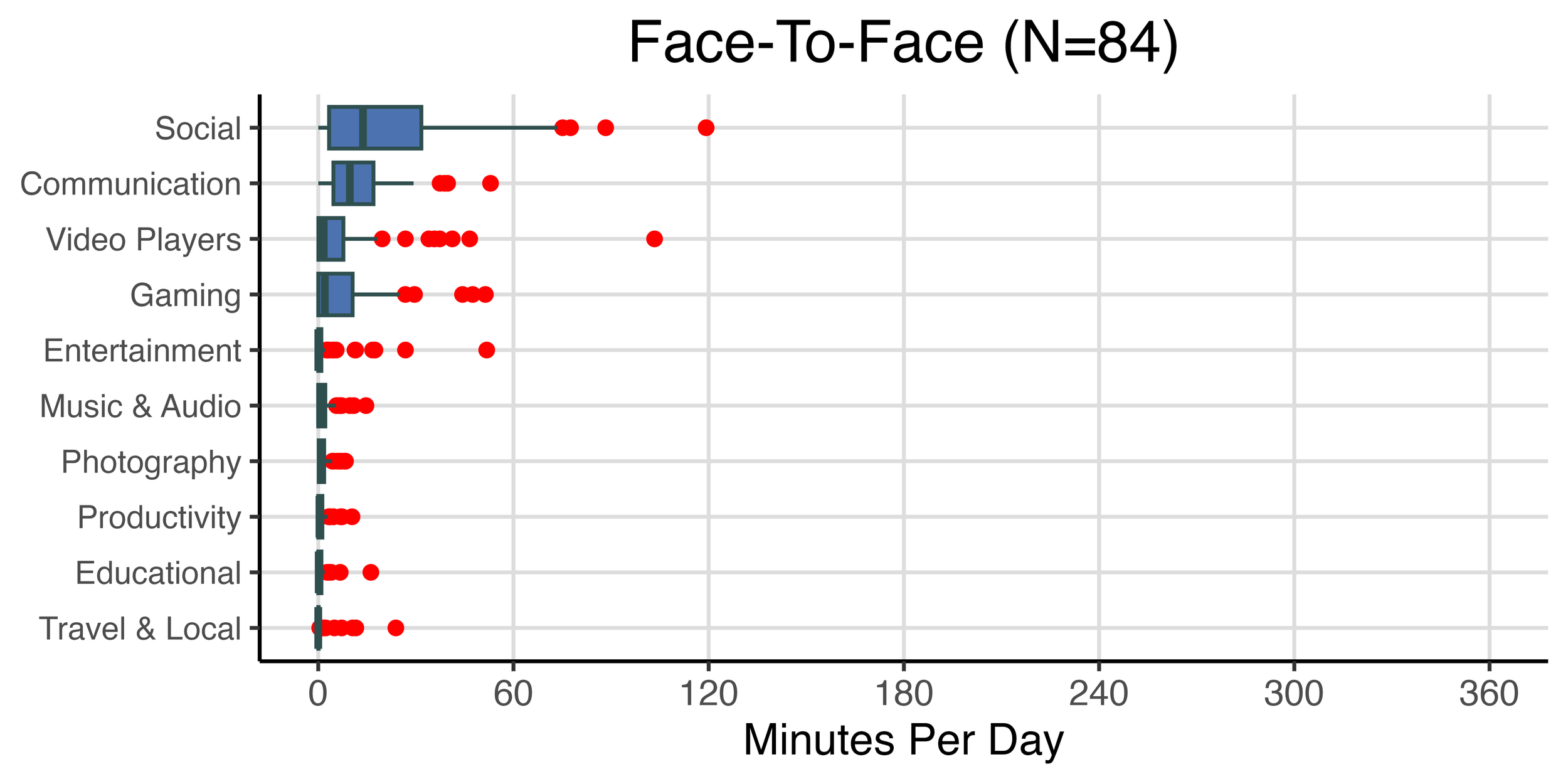
Smartphone Use Shaping Adolescent’s Attention
In partnership with the Stanford Screenomics lab, this work uses six months of high-intensity passive smartphone sensing data from adolescents to model device use during school hours. The findings highlight within- and between-student variability and point to the need for personalized tools and approaches to support student learning during school hours.
Hussein, B., Sun, X., Nielsen, K., Xu, T., Ram, N., Reeves, B., & Robinson, T. (In Revision at Journal). Describing Smartphone Use Among Adolescents During School Hours Using High-Intensity Objective Observations.
Paper
Detecting Struggle Overtime
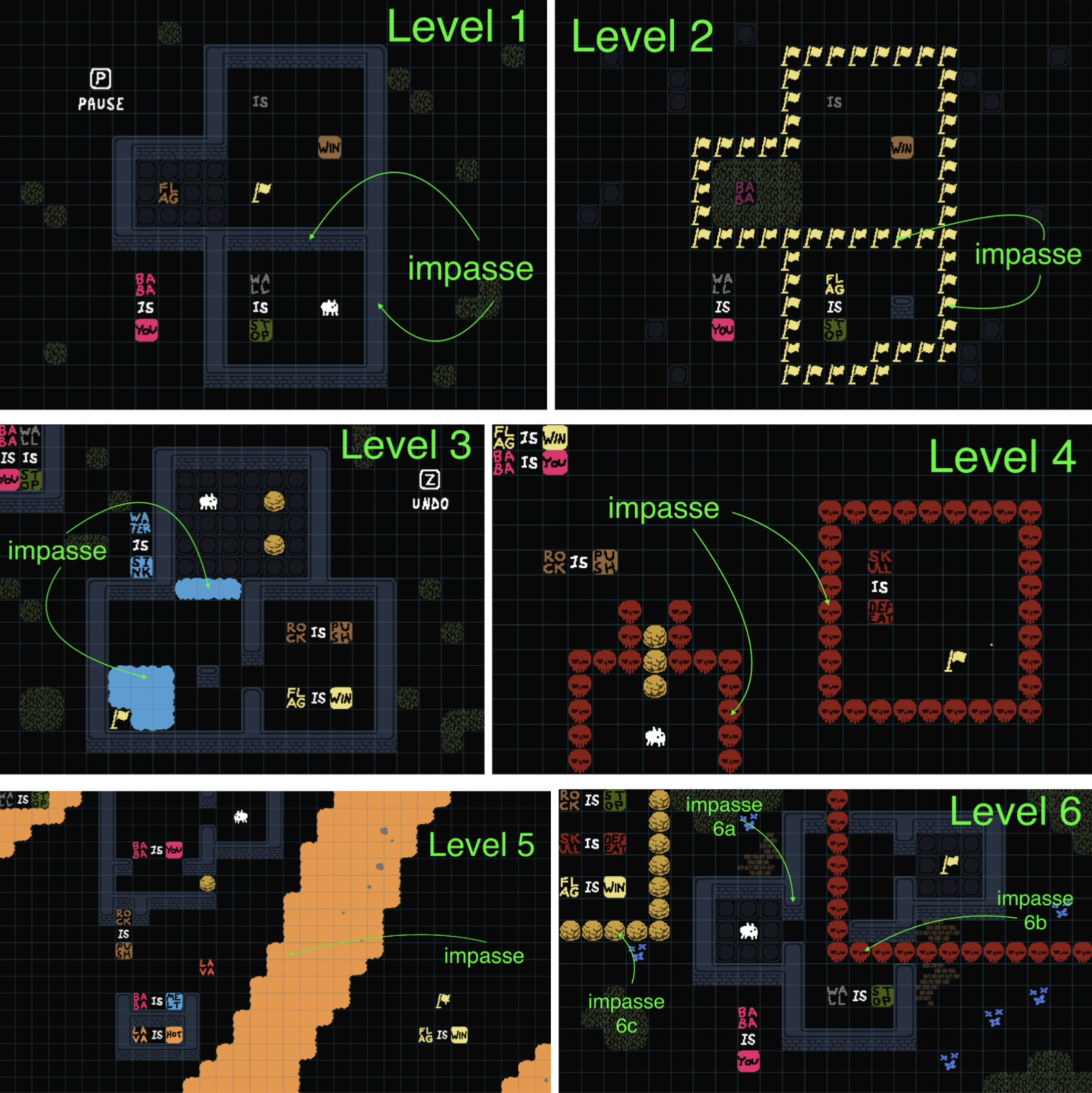
This project combines large-scale gameplay logs with video data to model how learners repeatedly encounter and respond to moments of being stuck in a commercial puzzle-game, Baba Is You. We show that these moments are highly variable, but can serve as moments of sense-making in the game — and informs learning design and moments for precision scaffolding when students struggle.
Hussein, B., DeLiema, D., Anderson, C., Carpenter, Z., Chen, B., Bernacki, M. L., & Loth, M. (In Revision at Journal). Learning through Repeat Impasses in a Puzzle-Based Video Game: A Micro-Longitudinal Approach Mixing Log Analysis and Qualitative Analyses.
(Paper Upcoming)
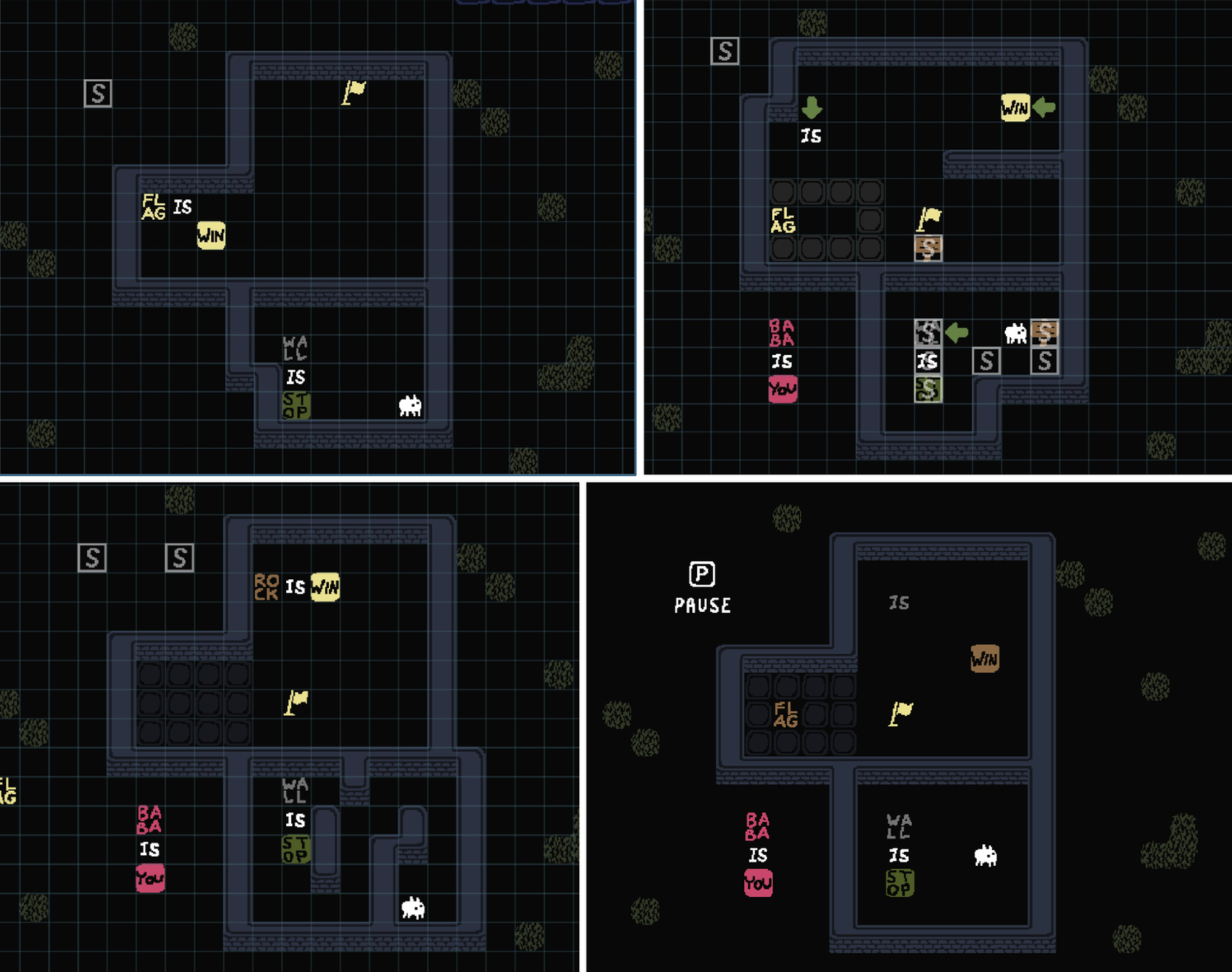
Designing Effective Tutorials
This work experimentally compares onboarding designs—direct instruction tutorials versus increased impasse “learn-by-doing” versions—for the first levels of a puzzle game to understand how different approaches affect player learning and engagement.
Anderson, C. G., Carpenter, Z., Hussein, B., & DeLiema, D. (2024). Show or tell? A comparison of direct instruction tutorial and learn by doing increased impasse versions of initial levels of a puzzle game. In the Proceedings of the 19th International Conference on the Foundations of Digital Games, ACM. (FDG ’24).
Paper