
Hi! I’m a Postdoctoral Researcher at New York University’s CREATE Lab that studies how/when/why people get stuck during tasks, and how we can design technologies and interventions that help them make progress.
My research weaves together two threads: 1) using emerging technologies (e.g., passive sensing, VR, generative AI) and mixed methods (e.g., machine learning, video analysis, large-scale surveys) to study opaque cognitive and behavioral processes, and 2) applying these findings to design goal-sensitive AI-mediated interfaces that more precisely scaffold people toward their valued goals.
My research and collaborations have been published in premier journals and conference proceedings such as Child Development, ISLS, LAK, AIED, and other venues. For more context, please visit my GitHub or download my CV.
Interests: Human-AI Partnership, Precision Scaffolding, Personalization, Human-Computer Interaction, User Modeling, AI in Education, Goal Dynamics, Learning Design
Selected Projects
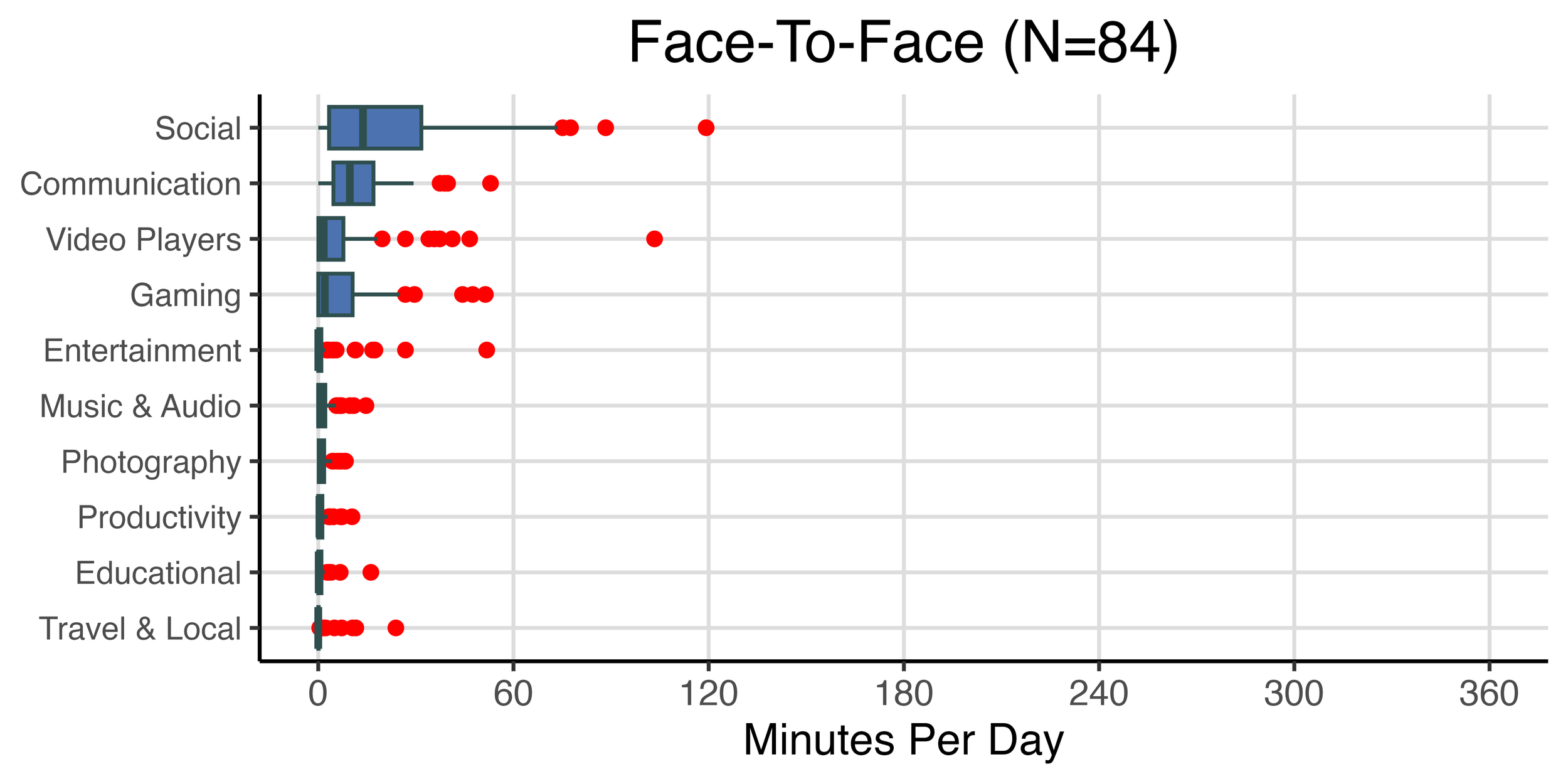
Smartphone Use Shaping Adolescent’s Attention
In partnership with the Stanford Screenomics lab, this work uses six months of high-intensity passive smartphone sensing data from adolescents to model device use during school hours. The findings highlight within- and between-student variability and point to the need for personalized tools and approaches to support student learning during school hours.
Hussein, B., Sun, X., Nielsen, K., Xu, T., Ram, N., Reeves, B., & Robinson, T. (2026, Child Development). Describing Smartphone Use Among Adolescents During School Hours Using High-Intensity Objective Observations.
Paper
Evaluating AI Systems for Teaching & Learning
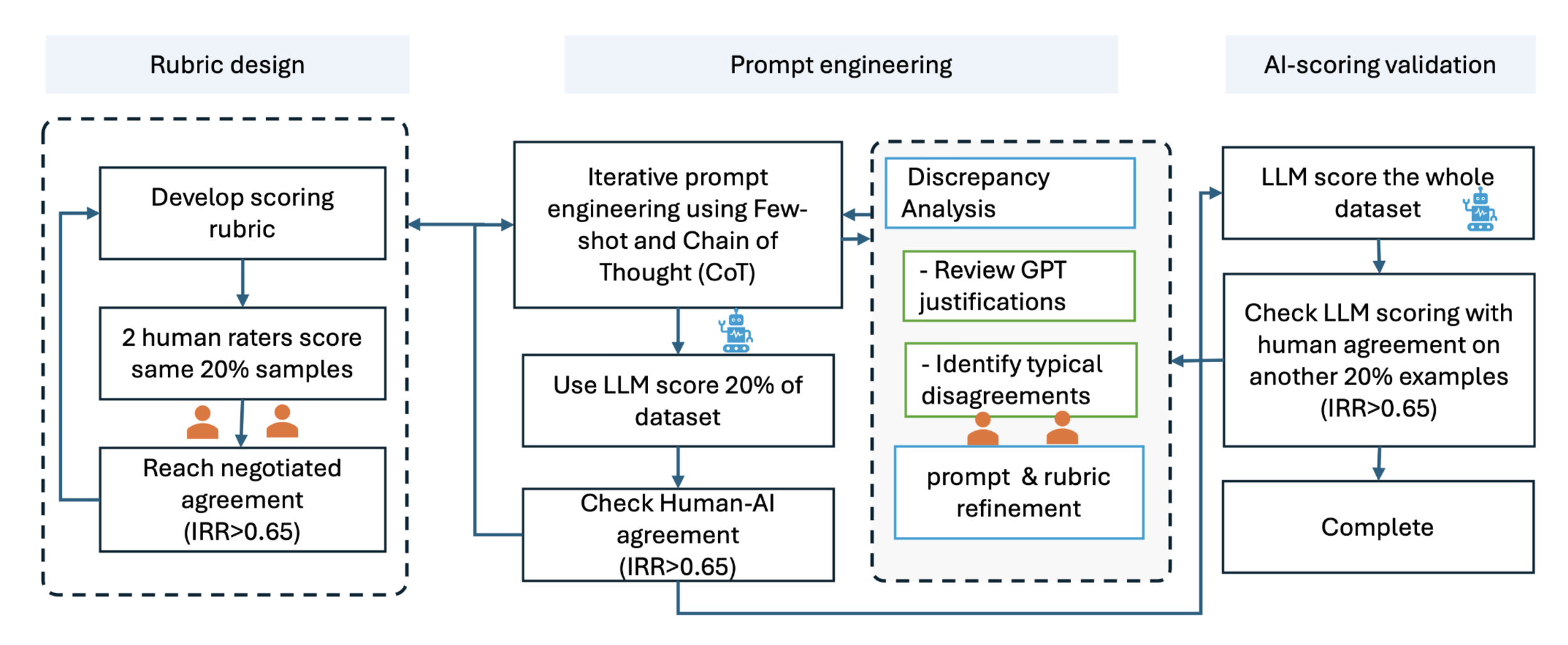
This work evaluates a human–AI co-grading pipeline that uses large language models to score open-ended student responses during science learning. We demonstrate practical calibration techniques—combining rubric design, prompt engineering, and human-in-the-loop validation—that enable LLMs to reliably assess student ideas.
Jiao, X., Hussein, B., Shao, Y., Hang, Y., Olsen, A., & Plass, J. L. (2026). Beyond recall: Calibrating LLMs to score causal reasoning in STEM transfer questions. Companion Proceedings of the 27th International Conference on Artificial Intelligence in Education (AIED 2026)
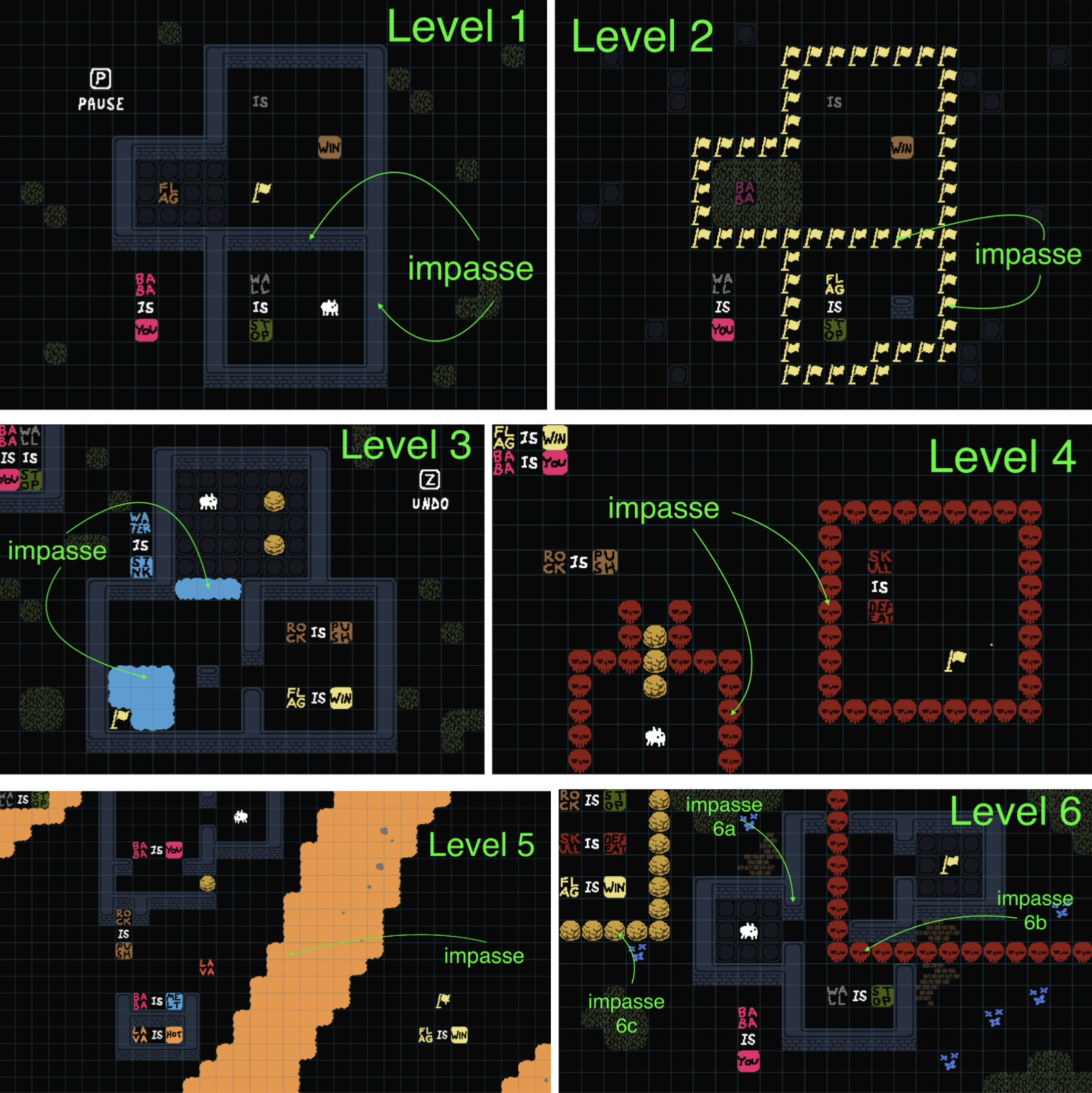
Detecting Struggle Overtime
This project combines large-scale gameplay logs with video data to model how learners repeatedly encounter and respond to moments of being stuck in a commercial puzzle-game, Baba Is You. We show that these moments are highly variable, but can serve as moments of sense-making in the game — and informs learning design and moments for precision scaffolding when students struggle.
Hussein, B., DeLiema, D., Anderson, C., Carpenter, Z., Chen, B., Bernacki, M. L., & Loth, M. (In Revision at Journal). Learning through Repeat Impasses in a Puzzle-Based Video Game: A Micro-Longitudinal Approach Mixing Log Analysis and Qualitative Analyses.
(Paper in Revision at Cognition & Instruction)
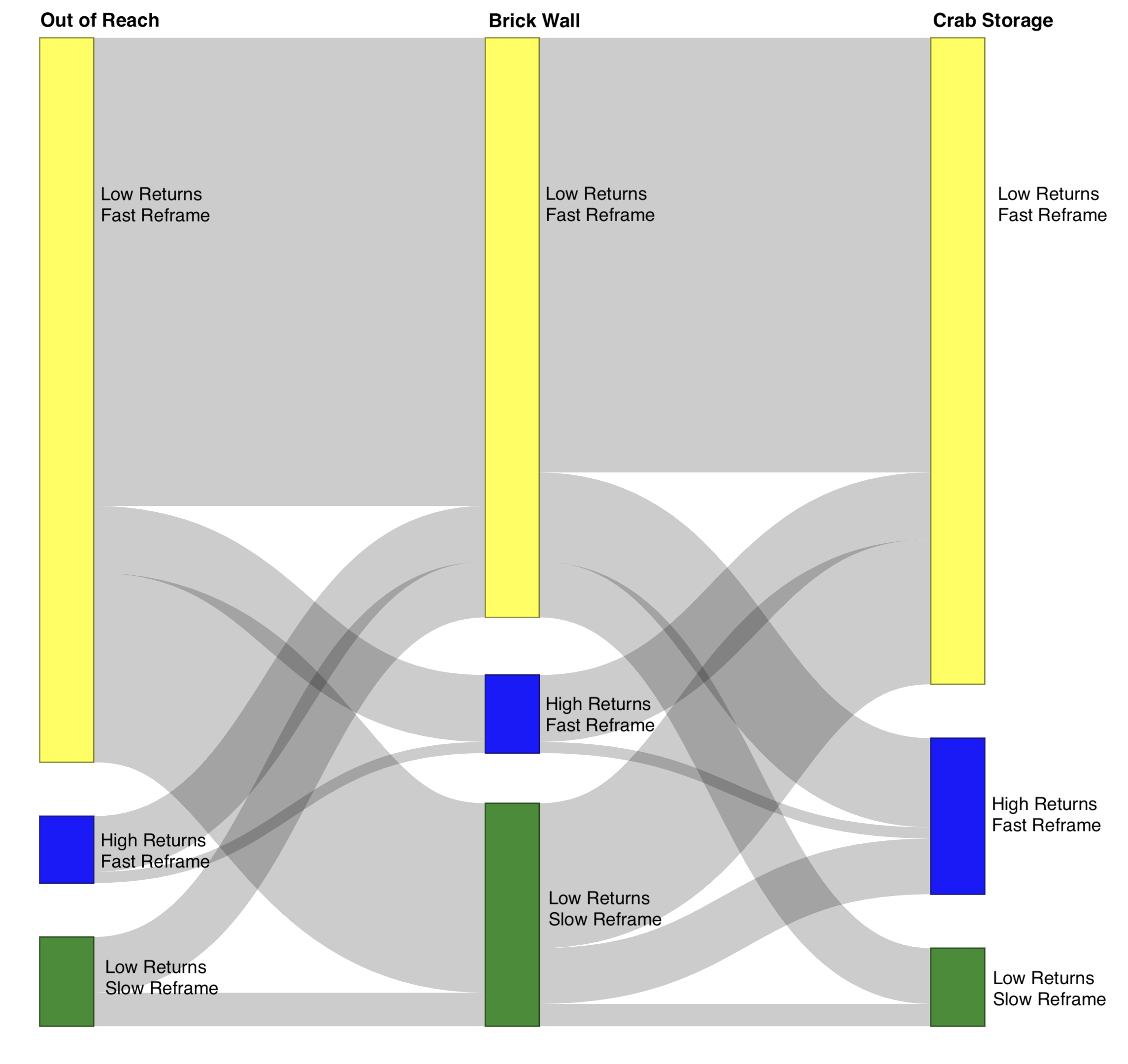
Modeling Changing Goals During Learning
We apply machine learning to model how different learners set, revise, and revisit goals during problem solving. We identify distinct goal-navigation strategies and show that learners who quickly reframe unproductive goals and avoid repeated returns make significantly more progress—highlighting signals for designing systems that support effective exploration and persistence during learning tasks.
Hussein, B., DeLiema, D., Chen, B., Wang, K., & Salehi, S. (Under Submission). Goals in Play: An Empirical Exploration of Setting, Pivoting, and Returning to Goals in an Open-Ended Puzzle Game.
(Paper Under Submission)
Designing Effective Tutorials
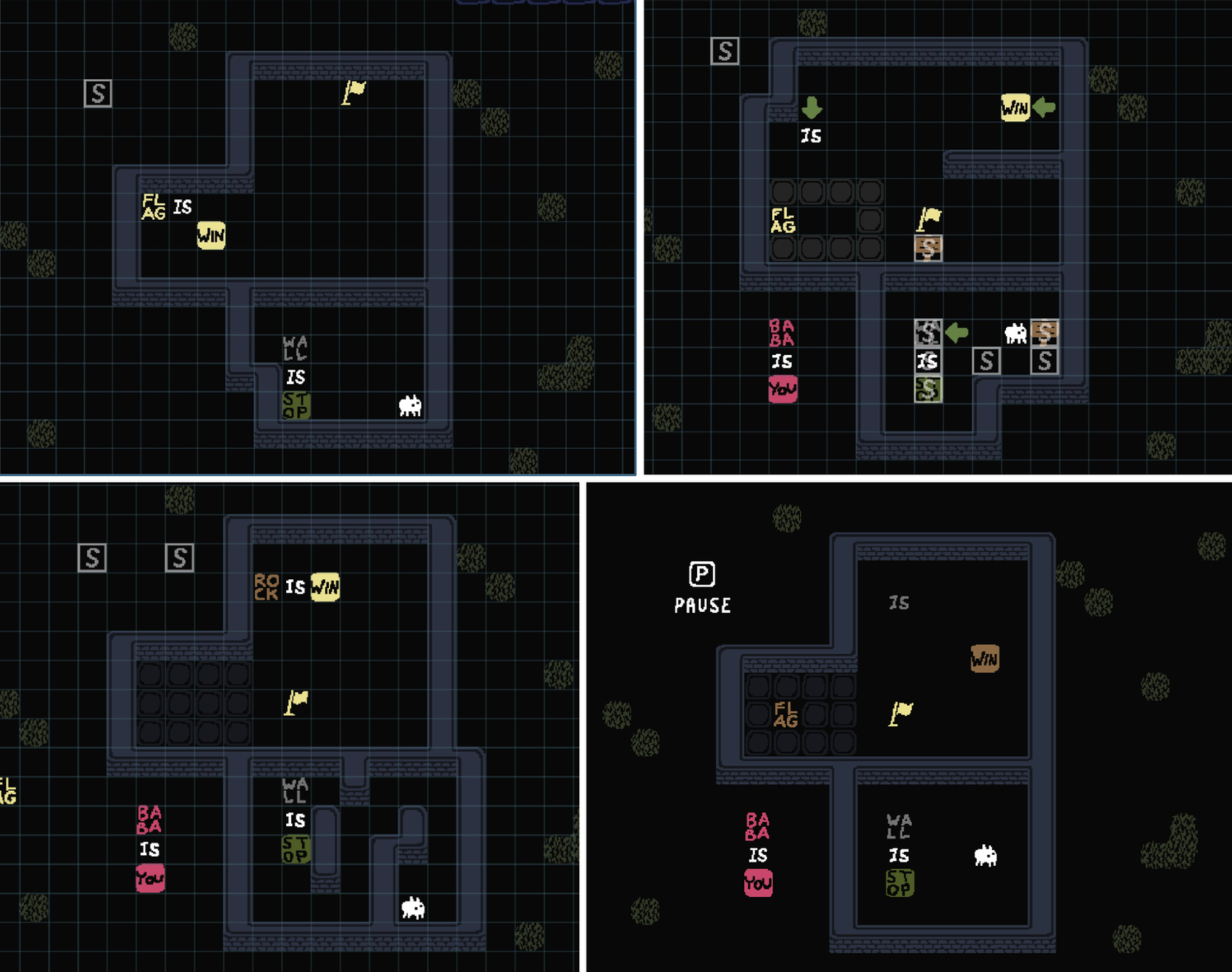
This work experimentally compares onboarding designs—direct instruction tutorials versus increased impasse “learn-by-doing” versions—for the first levels of a puzzle game to understand how different approaches affect player learning and engagement.
Anderson, C. G., Carpenter, Z., Hussein, B., & DeLiema, D. (2024). Show or tell? A comparison of direct instruction tutorial and learn by doing increased impasse versions of initial levels of a puzzle game. In the Proceedings of the 19th International Conference on the Foundations of Digital Games, ACM. (FDG ’24).
Paper